Get The FLOCK Out: Resource Guide
Email Your Municipal Leaders: Unregulated license plate readers threaten our privacy and safety
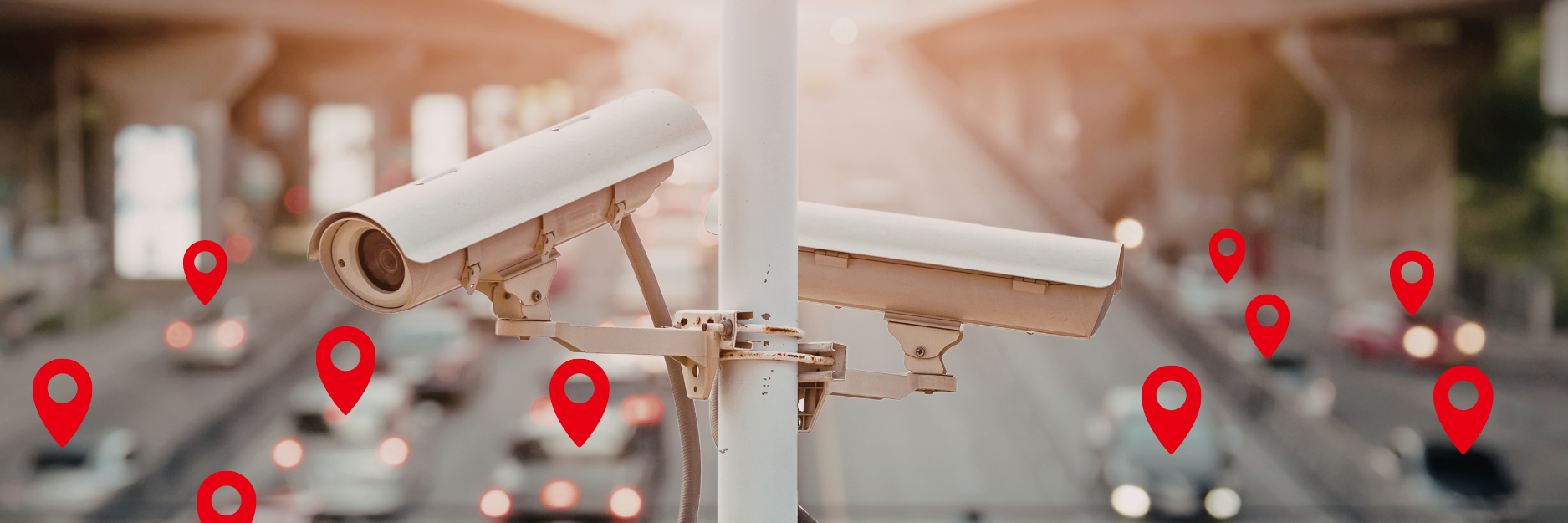
License plate readers (LPRs) are a common police surveillance technology that threaten our privacy and safety.
With LPRs, law enforcement can track drivers' real-time and historical location information. In other words, they can see exactly where you’ve been and where you’re going. And they don’t even need a warrant.
All too often, law enforcement dumps this highly personal information into a nationwide database, which can be accessed by other state and federal agencies, including ICE. That puts immigrants, people seeking healthcare, political protesters, victims of domestic violence, and others at risk.
Other states have regulated LPRs. Massachusetts has not — and that’s a problem.
Local police departments are deploying LPRs at an unprecedented scale: At least 80 departments in Massachusetts have contracts with one vendor, Flock Safety, often combining them with other powerful surveillance tools.
Massachusetts needs statewide driver privacy protections NOW
Take a moment to *email your municipal leaders and ask them if your local police department is using Flock's LPR technology or LPR technology through a different provider, and if so, whether they are sharing LPR data with agencies outside your community.
Last updated on March 11, 2026
With Flock Safety's license plate reader (LPR) technology, law enforcement agencies across the country can track Massachusetts drivers in real-time — without a warrant, probable cause, or even reasonable suspicion of wrongdoing. Flock's nationwide data sharing model puts our civil rights and civil liberties at risk.
License plate surveillance is big business
Flock Safety is a major player in the LPR industry, contracting with over 5,000 law enforcement agencies (including at least 80 in Massachusetts), and deploying nearly 90,000 cameras nationwide. The company’s CEO claims their technology can eradicate all crime in America — though that’s more marketing hype than reality.
Vigilant, a product offered by Motorola Solutions, boasts that it has a network of over 1,800 government customers. It also claims to have over 35 billion historic and recent driver location records in its national database. Public records from Massachusetts policedepartments reveal that ICE agents can directly search this database.
With Flock and Vigilant license plate reader (LPR) technology, law enforcement agencies across the country can track Massachusetts drivers in real-time — without a warrant, probable cause, or even reasonable suspicion of wrongdoing. The nationwide data sharing model offered by Flock and Vigilant puts our civil rights and civil liberties at risk.
National databases of driving patterns put people at risk
At the crux of the problems with Flock and Vigilant is their nationwide data sharing model. Though both companies offer similar nationwide databases, we have more information about how the Flock system works.
Police departments that contract with Flock can choose to share the LPR data they collect with no other departments, with specific named departments, with all departments in their state, or with the entire Flock network nationwide.
Flock has designed its system to incentivize maximum sharing: Iif a police department chooses to share their data with the entire nationwide network, that department can also search the entire nationwide network. In effect: “You show me yours, I’ll show you mine.”
This Flock training video received in response to public records requests demonstrates how seamless and unrestricted data sharing operates within Flock’s system. To share their data with police nationwide, all an administrator needs to do is click a button.
What Is License Plate Reader Surveillance and How Does It Work?
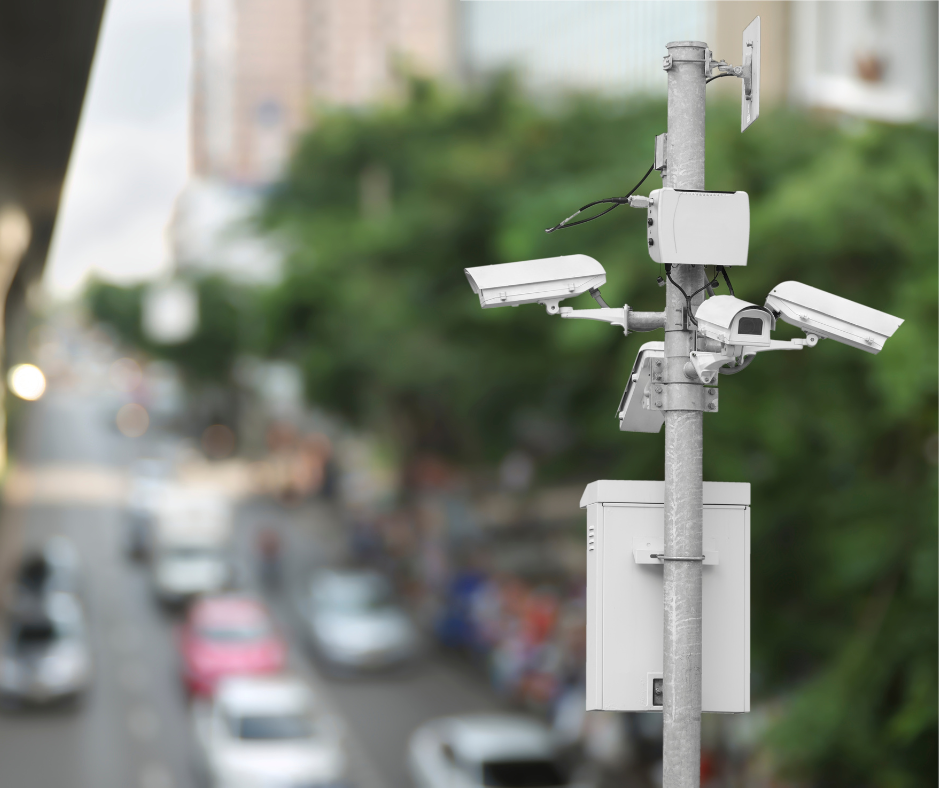
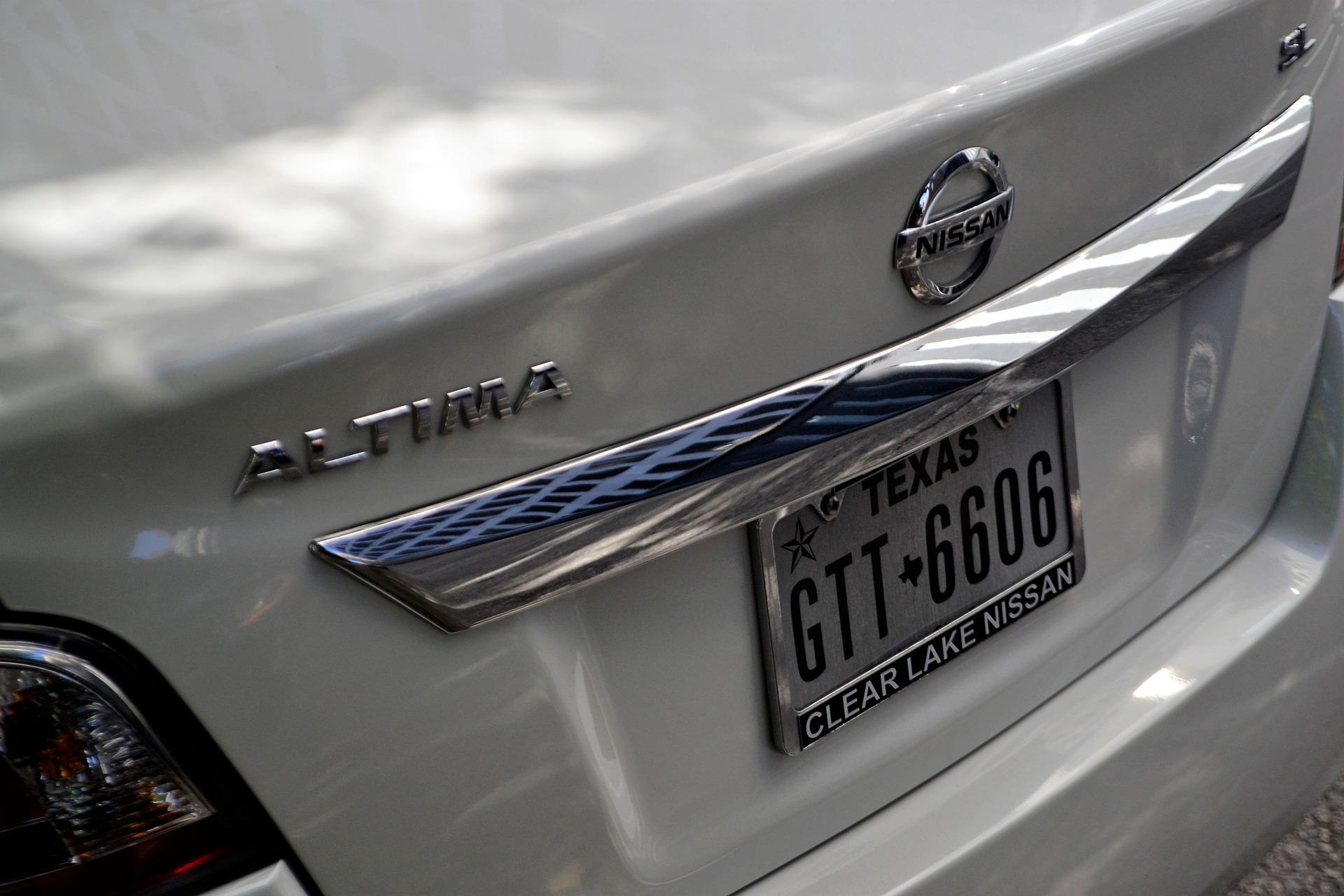
License plate readers are cameras that automatically capture and record license plates, locations, and timestamps as vehicles pass by. These systems allow police to instantly track where motorists are now and where they’ve been.
Flock Safety is a major player in the LPR industry, contracting with thousands of law enforcement agencies, running LPR surveillance across nearly 7,000 networks, and deploying nearly 90,000 cameras nationwide as of July 2025. The company’s CEO claims their technology can eradicate all crime in America — though that’s more marketing hype than reality.

Flock Safety is a major player in the LPR industry, contracting with thousands of law enforcement agencies, running LPR surveillance across nearly 7,000 networks, and deploying nearly 90,000 cameras nationwide as of July 2025. The company’s CEO claims their technology can eradicate all crime in America — though that’s more marketing hype than reality.
Is Warrantless, Dragnet Surveillance of Motorists Legal?
In 2014, in Commonwealth v. Augustine, the Massachusetts Supreme Judicial Court held that police are required to obtain a search warrant to access cell site location information under the Massachusetts Constitution, the Declaration of Rights. Four years later, the Supreme Court applied similar protections nationwide in Carpenter v. United States. The Court reasoned that technology enabling the government to track everyone, to monitor all our public movements, and to do so both in real time and retroactively, posed a significant threat to our Fourth Amendment rights.
LPRs are analogous to cellphone tracking. These AI-enabled cameras track motorists in real-time and historically, giving the government the means to track people’s locations in a manner similar to the cell site location information at issue in Augustine and Carpenter.
The Massachusetts Supreme Judicial Court recognized this in 2020, holding in Commonwealth v. McCarthy that “[w]ith enough cameras in enough locations, the historic location data from an [LPR] system in Massachusetts would invade a reasonable expectation of privacy and would constitute a search for constitutional purposes.”
Yet today, police in Massachusetts are subject to no state or federal statute governing their use of automatic license plate readers. In the absence of a state statute, police are engaged in mass surveillance of all drivers.

LPRs are analogous to cellphone tracking. These AI-enabled cameras track motorists in real-time and historically, giving the government the means to track people’s locations in a manner similar to the cell site location information at issue in Augustine and Carpenter.
The Massachusetts Supreme Judicial Court recognized this in 2020, holding in Commonwealth v. McCarthy that “[w]ith enough cameras in enough locations, the historic location data from an [LPR] system in Massachusetts would invade a reasonable expectation of privacy and would constitute a search for constitutional purposes.”
Yet today, police in Massachusetts are subject to no state or federal statute governing their use of automatic license plate readers. In the absence of a state statute, police are engaged in mass surveillance of all drivers.
Flock’s Data Sharing Model vs. the Massachusetts Shield Law
In August 2024, Massachusetts strengthened its Shield Law, which prohibits Massachusetts law enforcement from providing information or assistance to any other state’s law enforcement agency in relation to investigations into reproductive healthcare or gender-affirming healthcare that is lawful in the Commonwealth. The Shield Law was designed to protect people from laws in other state that criminalize abortion and restrict access to gender-affirming care. It’s meant to ensure that people who receive and provide healthcare that is lawful in Massachusetts can do so without fear of retribution from out-of-state actors.
But Massachusetts law enforcement’s use of Flock’s and Vigilant’s nationwide data sharing undermines the effectiveness of the Shield Law. Out-of-state officers from thousands of agencies across the country can and do access information about where and when people are driving in Massachusetts, and there is nothing stopping them from using that information to track the movements of people in Massachusetts who are seeking or providing protected healthcare.
But Massachusetts law enforcement’s use of Flock’s and Vigilant’s nationwide data sharing undermines the effectiveness of the Shield Law. Out-of-state officers from thousands of agencies across the country can and do access information about where and when people are driving in Massachusetts, and there is nothing stopping them from using that information to track the movements of people in Massachusetts who are seeking or providing protected healthcare.
Do other states regulate LPRs?
Yes, at least 23 states, the District of Columbia, and the U.S. Virgin Islands have statutes or other rules governing ALPR use. In several states—Alabama, Florida, Georgia, New Hampshire, North Carolina, Vermont, and Virginia—those laws apply only to law enforcement agencies, addressing authorized uses, data retention, and data sharing controls.
Other jurisdictions—Colorado, Idaho, Kansas, Nebraska, Utah, the District of Columbia, and the U.S. Virgin Islands—extend LPR regulations to all governmental entities, not just police departments. A smaller group of states—Arkansas, California, Illinois, and Tennessee—regulate LPR use by both government agencies and private individuals or companies, reflecting broader privacy concerns about non-governmental data collection. Minnesota similarly covers both sectors but limits its application to private entities whose LPR data is used for law enforcement purposes. In Maine, Maryland, Montana, and Oklahoma, the laws apply to law enforcement and at least one additional specified government agency, while Maine stands out as the only state that expressly prohibits LPR use by private individuals altogether.
Other jurisdictions—Colorado, Idaho, Kansas, Nebraska, Utah, the District of Columbia, and the U.S. Virgin Islands—extend LPR regulations to all governmental entities, not just police departments. A smaller group of states—Arkansas, California, Illinois, and Tennessee—regulate LPR use by both government agencies and private individuals or companies, reflecting broader privacy concerns about non-governmental data collection. Minnesota similarly covers both sectors but limits its application to private entities whose LPR data is used for law enforcement purposes. In Maine, Maryland, Montana, and Oklahoma, the laws apply to law enforcement and at least one additional specified government agency, while Maine stands out as the only state that expressly prohibits LPR use by private individuals altogether.
Email Your Municipal Leaders: Unregulated license plate readers threaten our privacy and safety
License plate readers (LPRs) are a common police surveillance technology that threaten our privacy and safety.
With LPRs, law enforcement can track drivers' real-time and historical location information. In other words, they can see exactly where you’ve been and where you’re going. And they don’t even need a warrant.
All too often, law enforcement dumps this highly personal information into a nationwide database, which can be accessed by other state and federal agencies, including ICE. That puts immigrants, people seeking healthcare, political protesters, victims of domestic violence, and others at risk.
Other states have regulated LPRs. Massachusetts has not — and that’s a problem.
Local police departments are deploying LPRs at an unprecedented scale: At least 80 departments in Massachusetts have contracts with one vendor, Flock Safety, often combining them with other powerful surveillance tools.
Massachusetts needs statewide driver privacy protections NOW
Take a moment to *email your municipal leaders and ask them if your local police department is using Flock's LPR technology or LPR technology through a different provider, and if so, whether they are sharing LPR data with agencies outside your community.
Cambridge City Council cancelled its contract with mass surveillance company FLOCK – other municipalities should do the same.
Gideon Epstein, Technology for Liberty Policy Counsel at the ACLU of Massachusetts on how residents took action to fight back against Big Tech surveillance.