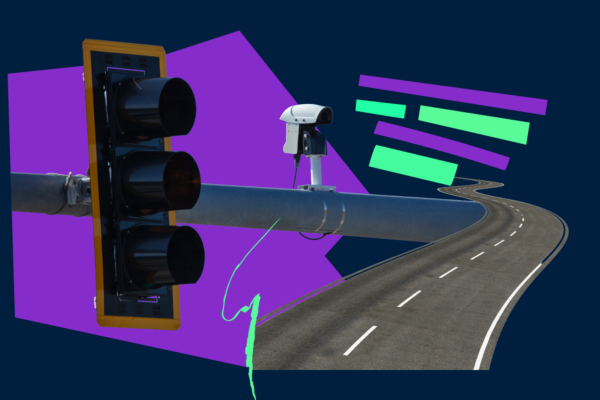
The American Civil Liberties Union of Massachusetts released a new community advocacy toolkit to help people across the Commonwealth challenge the use of Flock and other automated license plate readers (LPR) by their local police departments.
The toolkit includes templates for public records requests to help residents find out whether and how their local police department is using LPRs and a model ordinance designed to expand community oversight of surveillance technology, including LPRs. It also includes sample emails and a conversation guide for residents who want to share their concerns with neighbors or elected officials.
At least 80 Massachusetts police departments have entered into contracts with Flock Safety, a private company that operates nearly 90,000 LPR cameras across the country. Other law enforcement agencies, including the Massachusetts State Police, contract with Vigilant Solutions, another major LPR vendor. Citing privacy and safety concerns with this technology, communities across the country have successfully advocated for their local governments to drop Flock or stop sharing collected plate data with police nationwide.
“License plate readers pose unacceptable risks to our collective privacy and safety, and it’s been immensely gratifying to see so many communities fighting for — and achieving — democratic oversight over this technology,” said Kade Crockford, director of technology and justice programs at the ACLU of Massachusetts. “Building on the incredible work we’ve seen in places like Framingham, Brookline, and Cambridge, our new toolkit is designed to inform, inspire, and empower anyone in Massachusetts who wants to protect motorist privacy in their community.”
The new ACLU of Massachusetts toolkit also offers helpful background information about LPRs. It highlights the risks that LPR technology poses to all drivers, as well as the particular dangers to vulnerable groups like immigrants, healthcare patients and providers, survivors of stalking and domestic abuse, political protesters, and religious minorities. The toolkit offers a detailed but accessible account of the key problems with LPR systems, like data-sharing and data ownership. At worst, LPR programs facilitate information sharing with federal agencies and police departments in other states, enabling these out of state and federal officials to freely track drivers in Massachusetts without meaningful safeguards, exposing Bay Staters to harassment and threats from hostile actors and rogue agencies like U.S. Immigration and Customs Enforcement.
To read the new ACLU of Massachusetts Community Advocacy Toolkit, visit: https://www.aclum.org/publications/license-plate-reader-surveillance-community-advocacy-toolkit/
To find out more about the ACLU’s national Get the Flock Out campaign, visit: https://www.aclu.org/campaigns-initiatives/get-the-flock-out
Related Issues
Related Content

Get The FLOCK Out: Community Advocacy Toolkit

Stay Informed
Sign up to be the first to hear about how to take action.
By completing this form, I agree to receive occasional emails per the terms of the ACLU’s privacy statement.
By completing this form, I agree to receive occasional emails per the terms of the ACLU’s privacy statement.